

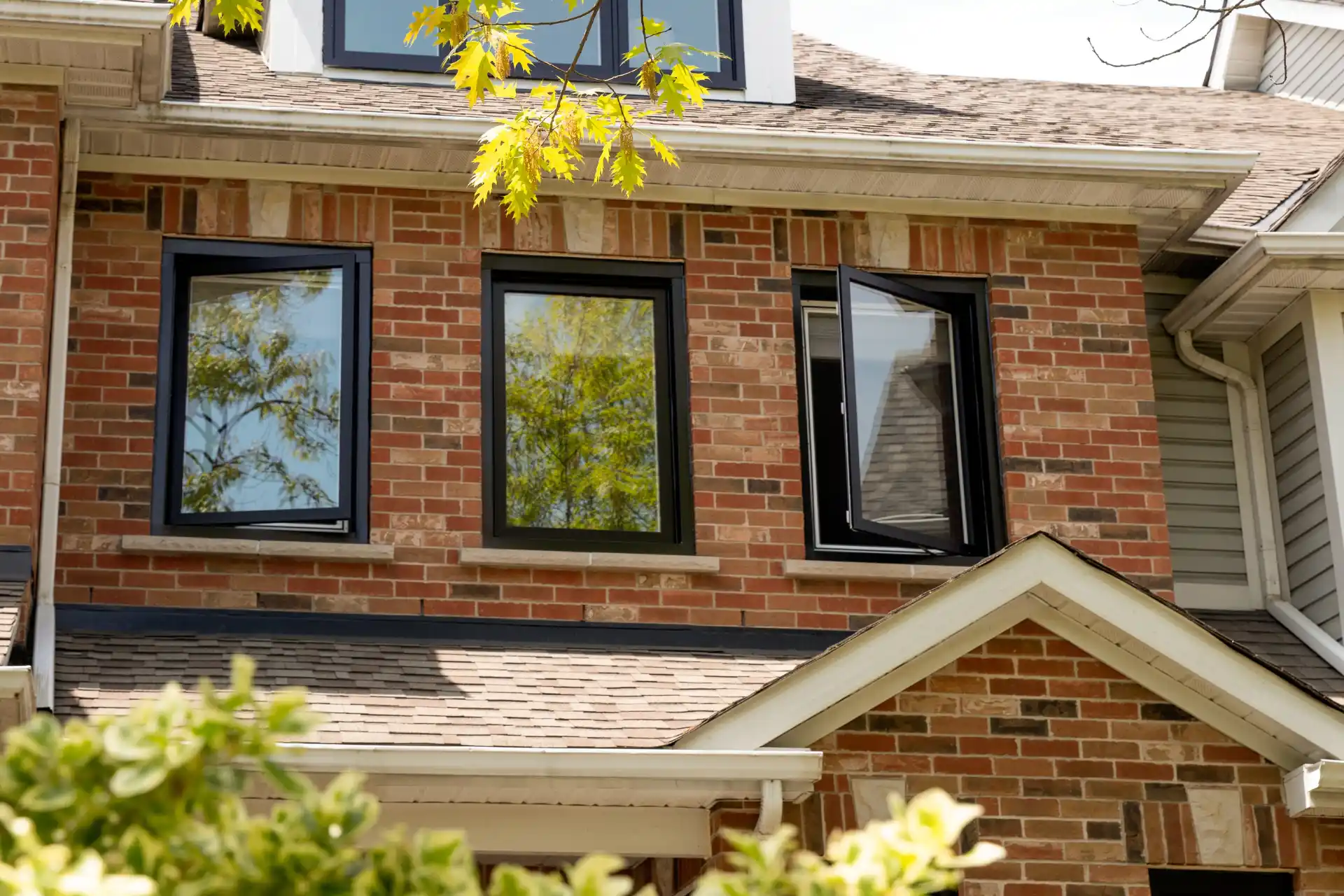
A casement window is a side-hinged window that swings outward like a door and is operated by a crank handle, offering excellent ventilation and energy efficiency.
Also known as swing-open windows, crank windows, and swinging windows, all casement window types create a tighter seal when closed, helping reduce drafts and improve indoor comfort. Their simple operation, endless customization, and ability to catch breezes make them a popular choice for both traditional and contemporary Canadian homes!
Casement windows are designed to give homeowners more control over airflow, comfort, and everyday usability. Their outward-opening design makes them ideal for spaces where you want maximum ventilation without bulky frames or obstructed views. With smooth crank operation and a tight, secure seal when closed, they’re often chosen for their balance of performance, style, and practicality.
They work especially well in rooms where fresh air, natural light, and clear exterior views are a priority, such as kitchens, living rooms, and hard-to-reach window openings.
Related article: How to Choose the Right Type of Window Opening
Key Features of Casement Windows
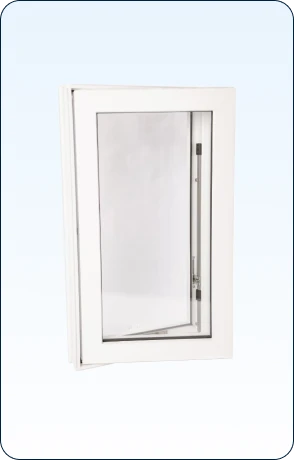

Hinged on the left or right side

Opens fully outward using a crank mechanism

Can be installed individually or in paired configurations

Provides strong airflow and clear sightlines

Creates a tight, weather-resistant seal when closed


Hinged on the left or right side


Opens fully outward using a crank mechanism

Can be installed individually or in paired configurations


Provides strong airflow and clear sightlines


Creates a tight, weather-resistant seal when closed
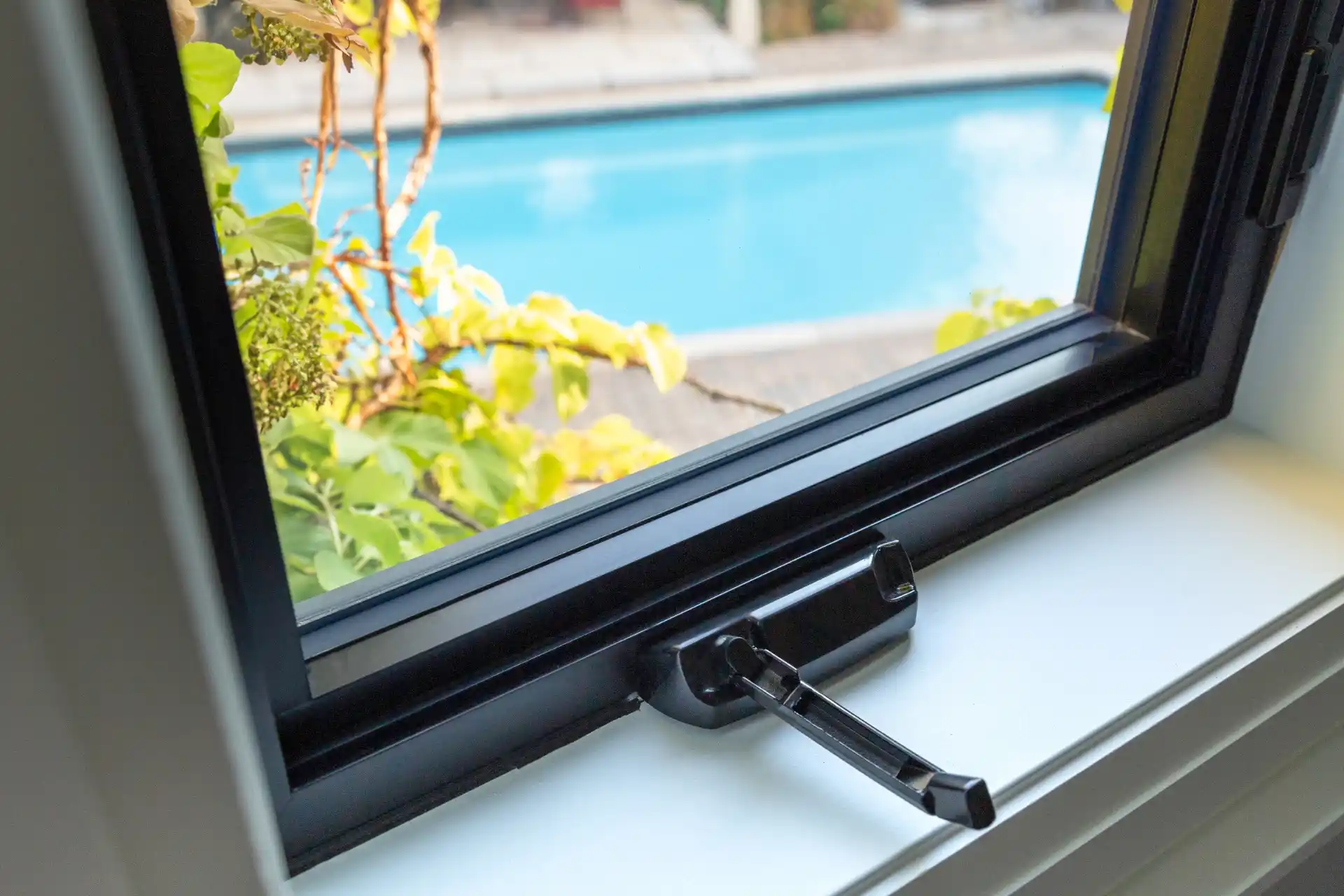
Casement windows open outward using a hinge-and-crank system that allows the sash (the moving part of the window) to swing away from the frame. When you turn the crank handle, a gear-driven mechanism pushes the sash open, allowing air to flow freely into the home.
When closed, casement windows use compression seals that press the sash tightly against the frame, helping to block drafts, moisture, and outside noise.
Each casement window is made up of several core components that work together to deliver smooth operation, strong insulation, and long-term durability. Canadian window manufacturer Clera Windows + Doors builds on the traditional casement design by enhancing these elements for Ontario’s climate and performance expectations.
- Frame: The frame is the fixed outer structure that supports the window and anchors it to your home. Clera’s frames are multi-chambered and triple-sealed, designed to minimize heat loss, reduce drafts, and improve year-round insulation.
- Sash: The sash is the moving panel that swings open and closed. Clera’s casement window sashes are engineered with thicker extrusion walls and maximized glass area for long-term durability.
- Hinges: The hinges allow the sash to swing outward smoothly. High-quality hinge systems are essential for stability, weather resistance, and long-term performance.
- Crank handle & operator arm: The crank handle and operator system control how the window opens and closes.
- Glass & spacer system: The glass unit plays a major role in comfort and efficiency. Clera’s casement windows feature low emissivity (Low-E) glass, 97% argon gas filling, and Hydraglass 50™ warm edge technology to reduce heat transfer and condensation.
- Weather seals: Weather seals create the tight barrier that prevents air and moisture from entering your home.
- Locking system: The locking hardware secures the window when closed. Multi-point locking systems improve both security and compression, helping the sash press firmly against the frame for better insulation and protection.
Casement window types can be customized in a variety of layouts depending on your home’s design, room layout, and ventilation needs. Whether you’re looking for a wide, modern opening or a practical everyday solution, casement configurations can be adapted to suit both large feature windows and compact spaces.
Single Casement Window
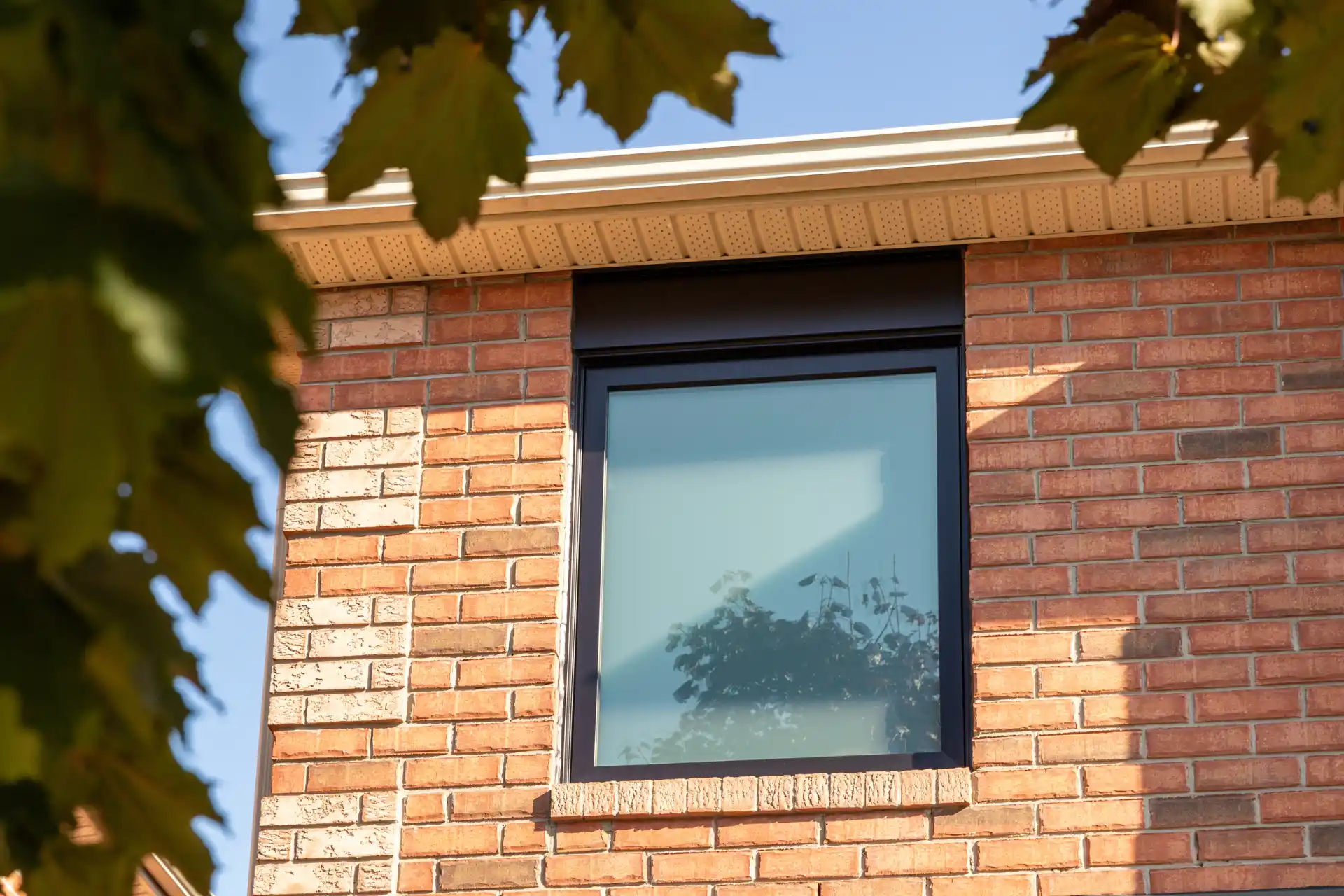
A single operable sash opens outward from either the left or right side. This is one of the most versatile configurations and works well in kitchens, bathrooms, and smaller wall openings found in traditional home design.
Double Casement Window (French Casement Windows)

French casement windows have two sashes that open from the centre, creating a wide, unobstructed opening. This style is ideal for larger rooms where maximum ventilation and a wider opening are preferred.
Fixed & Casement Combination
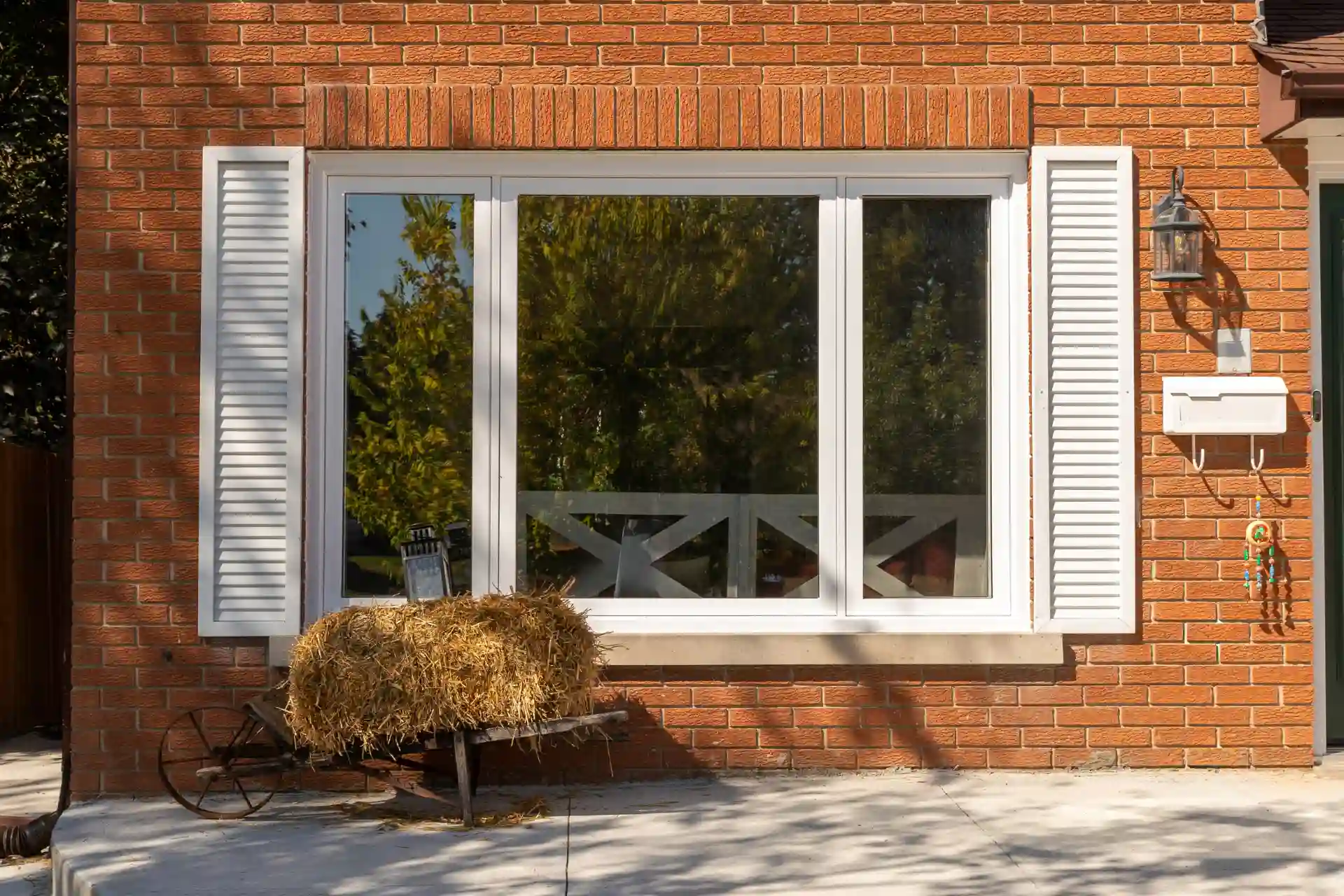
A fixed (non-operable) picture window paired with one or more operable casement windows. This configuration is commonly used in living rooms, dining rooms, and feature walls to maximize glass area while maintaining optimal airflow where needed.
Explore Our Collection of Fixed Windows.
Multi-Unit (Mullion) Configurations
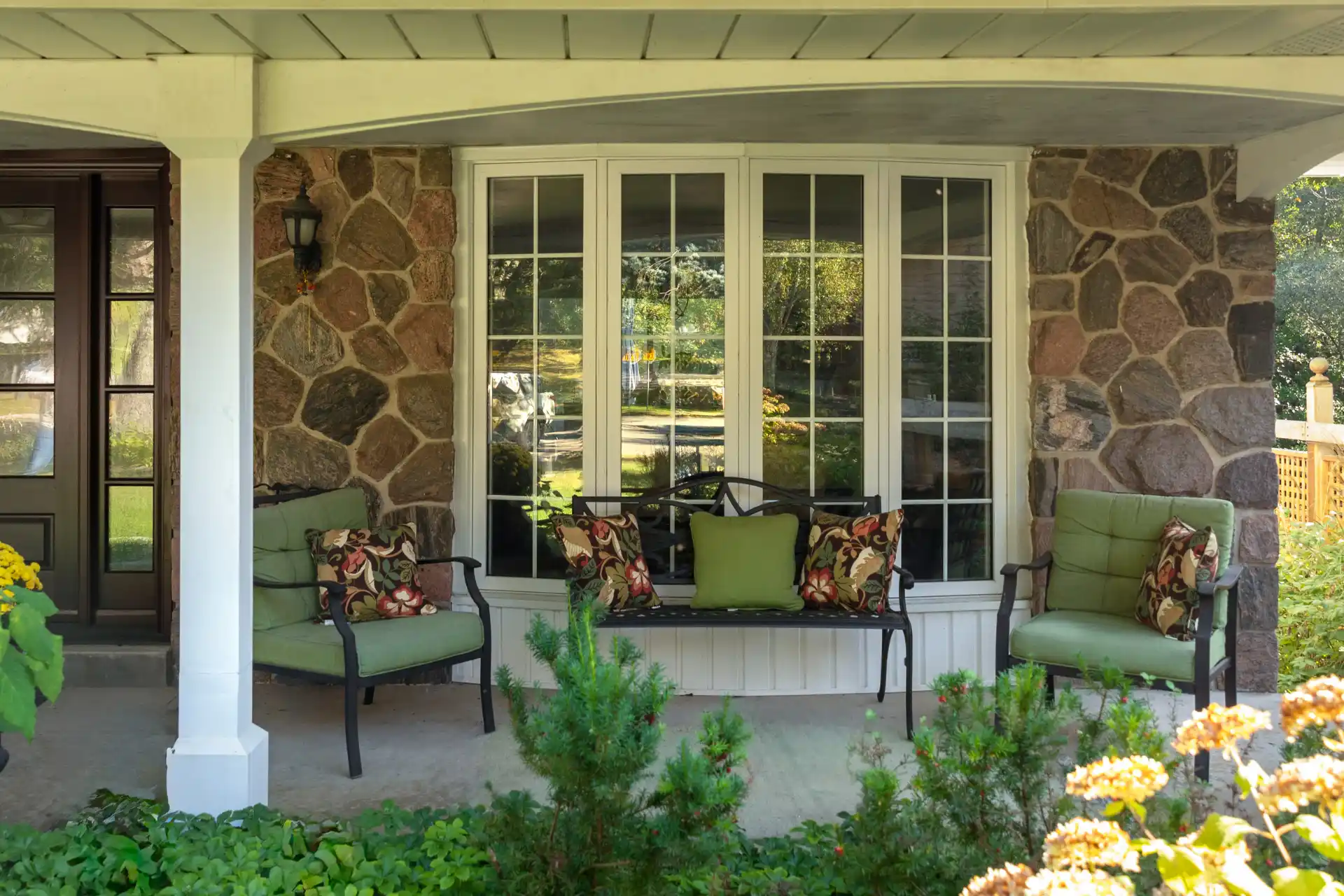
Multiple casement windows joined together using structural mullions. This layout creates a clean, modern look and is often used for wide horizontal openings or custom architectural designs.
The material used for your casement window frame plays a major role in performance, appearance, maintenance, and long-term durability. Different materials offer different benefits based on climate, budget, and design preferences, which is why understanding your options is essential before choosing the right window.
Below is a guide to the most common casement window frame materials and how they compare.
Energy efficiency is one of the biggest reasons Ontario homeowners choose casement windows. Unlike sliding windows, which rely on seals that move back and forth, casement windows open outward and use a compression-style seal that creates a more secure barrier against outside air.
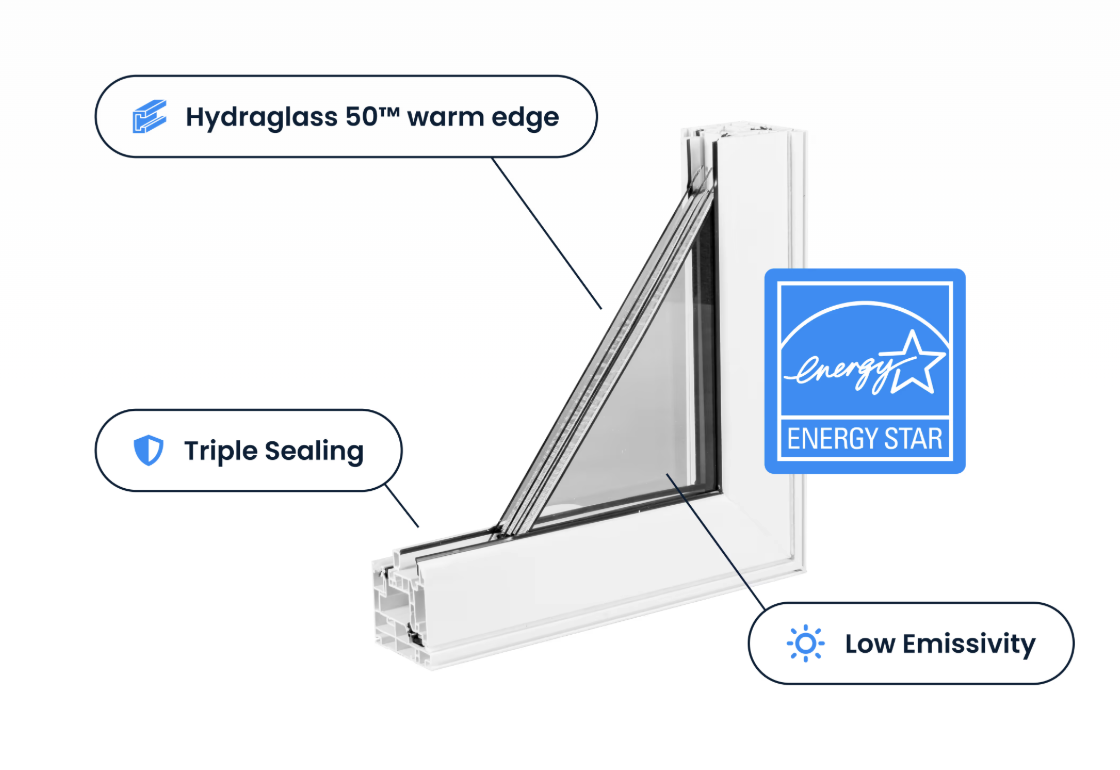
Casement energy-efficient windows offer advantages like:
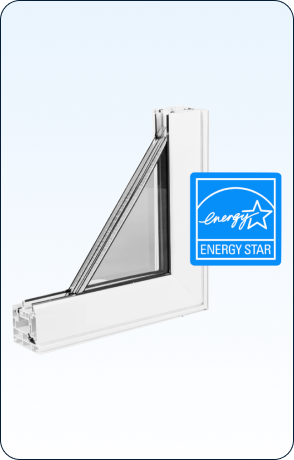
Minimal air leakage
Strong resistance to drafts
Improved indoor temperature stability
Better long-term performance

Minimal air leakage

Better long-term performance in cold and windy climates

Strong resistance to drafts

Improved indoor temperature stability
This makes casement windows a strong choice for Canadian weather conditions, where heat retention and moisture control play a major role in comfort and energy savings.
When buying casement windows in Ontario, look for:
- ENERGY STAR® Canada certification
- Low U-factor ratings
- High ER scores
- Multi-pane/triple-pane glass options
- Low-E and Argon-filled glazing
Related article: A Complete Guide to Energy-Efficient Windows
Casement windows are known for their clean design, energy performance, and strong ventilation capabilities, but like any window style, they aren’t the right solution for every home. Understanding both the strengths and the potential drawbacks can help you make a more confident, informed decision.
The comparison below breaks down casement window pros and cons. Discover where casement windows truly shine and where you may want to consider alternative types of windows based on layout, budget, and use.
Related article: A Homeowner’s Guide to Buying Replacement Windows
The cost of casement windows in Ontario varies based on size, materials, glazing options, and installation complexity. While casement windows typically cost more than sliding or single-hung windows, they deliver stronger long-term value through improved energy efficiency and durability.
This guide provides realistic pricing ranges to help homeowners budget with confidence.
Your windows play a bigger role in your home than you may realize. They shape how comfortable your space feels, how quiet it stays, and how much energy you save each season. If you’re still wondering, “What is a casement window?” or are not sure if they’re the right type of window for your home, call the team at Clera Windows + Doors to walk you through your options! We offer free, no-obligation quotes for homeowners looking to upgrade their old windows with energy-efficient replacement windows.
Our Ontario-made and manufactured windows are built specifically for Canadian climates, engineered for energy efficiency, and designed for lasting durability. From the first phone call to custom design and professional casement window installation, our team is dedicated to ensuring you love your new windows.
When you’re ready to explore what’s right for your home, our team is here to guide you every step of the way!

Adam Kwasnicki
With over 16 years at Clera Windows and Doors, Adam brings a wealth of experience in home improvement, sales, and project management. Prior to becoming VP, he personally sold and managed more than $20 million in window and door replacement projects, building on a career that also spans residential and commercial painting, home renovations, real estate, and solar energy. Known for his consultative, no-pressure approach, Adam helps homeowners navigate product options, government incentives, and competitive quotes to find the best balance of design, performance, and budget. At Clera, he also mentors sales consultants, supports marketing initiatives, and assists with customer care and escalations. Outside of work, he has shared his passion for meditation as a teacher in recreation centres and gyms, and continues to volunteer his time to support others in personal growth.


