

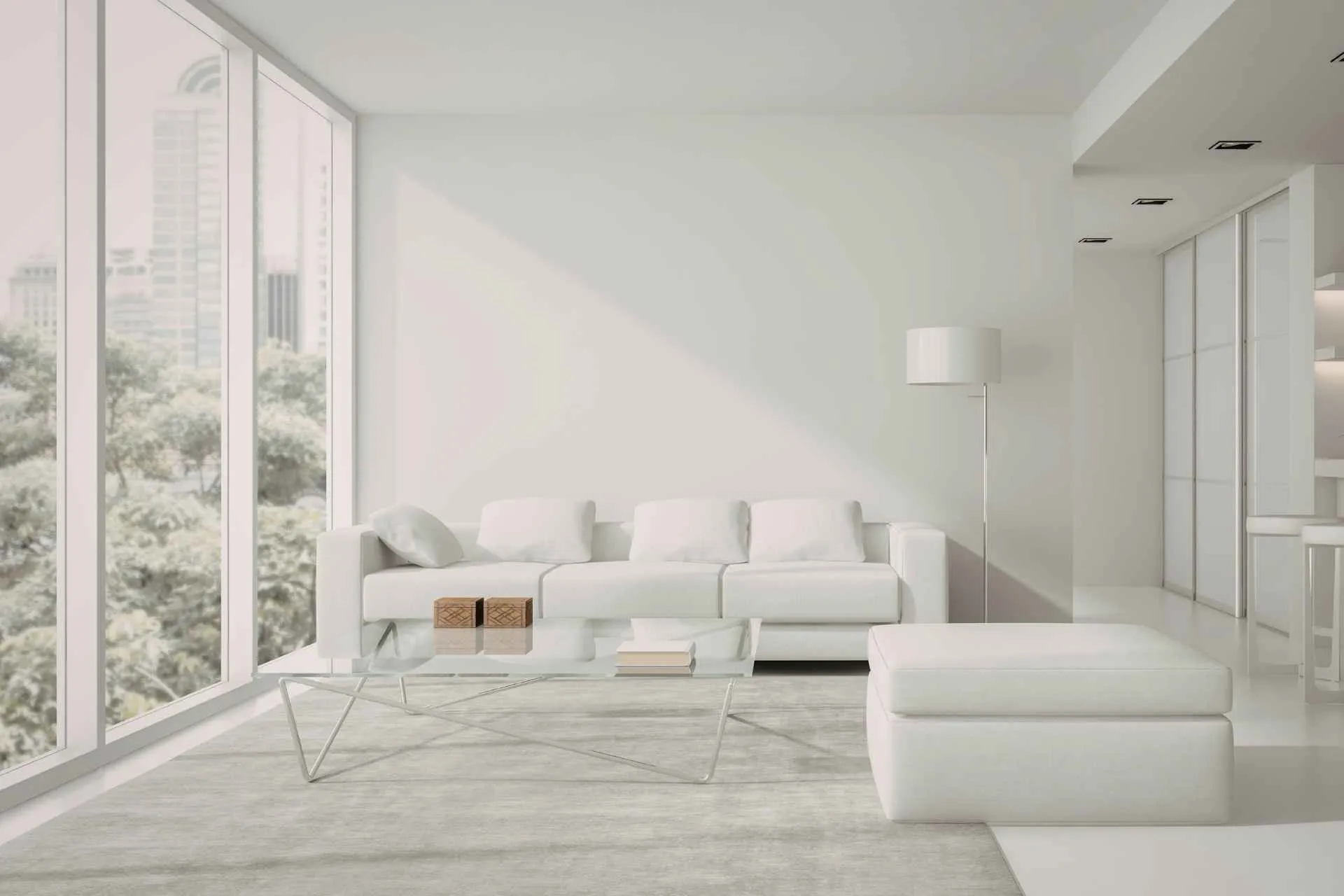
Increasing natural light in a house starts with what you already have. Clean the glass, lighten your walls, add mirrors across from windows, and clear whatever is blocking the glow before you spend a cent on bigger windows or skylights.
Many homes, especially older builds with small or narrow windows, receive far less daylight than their layouts allow. That’s fixable.
Learning how to increase natural light in a house usually starts with inexpensive changes like mirrors, lighter paint, and sheer window treatments, and a few of them can brighten a room in a single afternoon. When that isn’t enough, larger windows, glass doors, or skylights are the next step.
At Clera Windows + Doors, we’ve spent over 45 years designing, manufacturing, and installing windows and doors across Ontario, and we’ve learned that good home natural light isn’t just about window count. It comes down to how well you use the light already reaching your house.
How Important Is Natural Light in a Home?
Natural light is one of the most valuable features a home can have. It lifts your mood, supports better sleep, trims lighting bills, and makes rooms feel bigger and more welcoming. Here are the biggest benefits of natural light in home living.
Natural Light Boosts Your Mood and Sleep
Daylight is the cue your body clock uses to know when to wake up and when to wind down. In a study of more than 85,000 adults, people who got more daylight had a lower risk of depression and other mental health conditions.
It Helps You Get Through Canadian Winters
Seasonal affective disorder (SAD) is a type of depression that returns around the same time each year. It’s linked to changes in sunlight and more common in places far from the equator, like Canada.
A brighter home won’t replace professional care, but it helps you make the most of short winter days.
It Lowers Your Lighting Bills
Every hour you don’t need a lamp on is money back in your pocket. Pair that daylight with ENERGY STAR certified windows, and you get the extra light without the heat loss of older, drafty windows.
Buyers Look for Bright Homes
In a 2026 Redfin survey, 44% of U.S. residents said they’d choose a smaller home with more sunlight over a bigger, dimmer one. A bright home with abundant natural light simply shows better when it’s time to sell.
Bright, Airy Rooms Stay Fresher and Drier
Mould loves damp, stuffy corners. The City of Toronto recommends opening windows when the weather permits to help keep humidity and mould in check.
The best part? None of this means moving somewhere sunnier. It’s about getting more from the light already reaching your house.
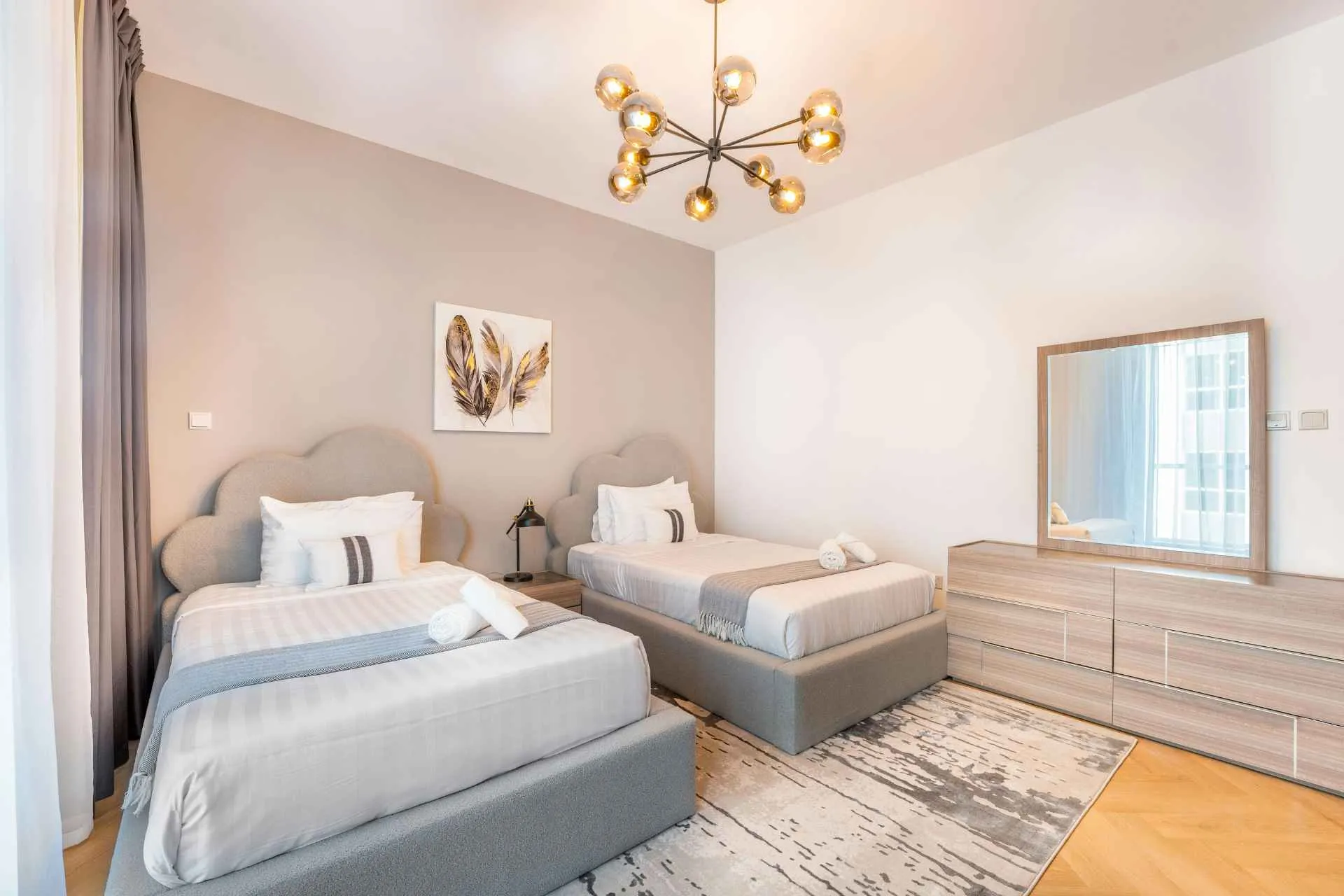
Image Source: Canva
How to Increase Natural Light in a Room
To increase natural light in a room, start with the light you already have. Bounce it with mirrors, reflect it with lighter paint, and clear whatever is blocking your windows. Most of these fixes cost little and take an afternoon.
Try these before you shop for new windows. They’re the easiest way to start increasing natural light in dim home spaces.
Hang Mirrors Across From Your Windows
A mirror placed opposite or beside a window reflects daylight deeper into the room, which is especially handy in narrow spaces. If you can, go big: one large mirror usually makes more of an impact than a cluster of small ones.
Other shiny surfaces boost natural light in the same way. Glass-topped tables, chrome or brass fixtures, metallic frames, and glossy glass tiles in a kitchen or bathroom all help reflect light around the room.
Lighten Up Your Walls and Ceiling
Dark colours absorb light, while light colours reflect it. Painting your walls and ceiling white, soft cream, pale grey, or light tan can make a dim room feel noticeably brighter.
Stuck between swatches? Check the paint chip’s light reflectance value (LRV), a 0-100 scale that indicates how much light a colour reflects. The higher the number, the brighter the room. An eggshell or satin finish also reflects more light than flat paint, and it’s easier to wipe clean.
Swap Heavy Drapes for Lighter Window Treatments
Blackout curtains suit a bedroom at night, but anywhere else they can leave a room gloomy at noon. Sheer curtains or light-filtering shades let daylight through while keeping your privacy, and blinds let you tilt the slats to control light throughout the day.
Whatever you choose, mount the rod several inches wider than the window frame so the fabric stacks against the wall, not over the glass, when it’s open.
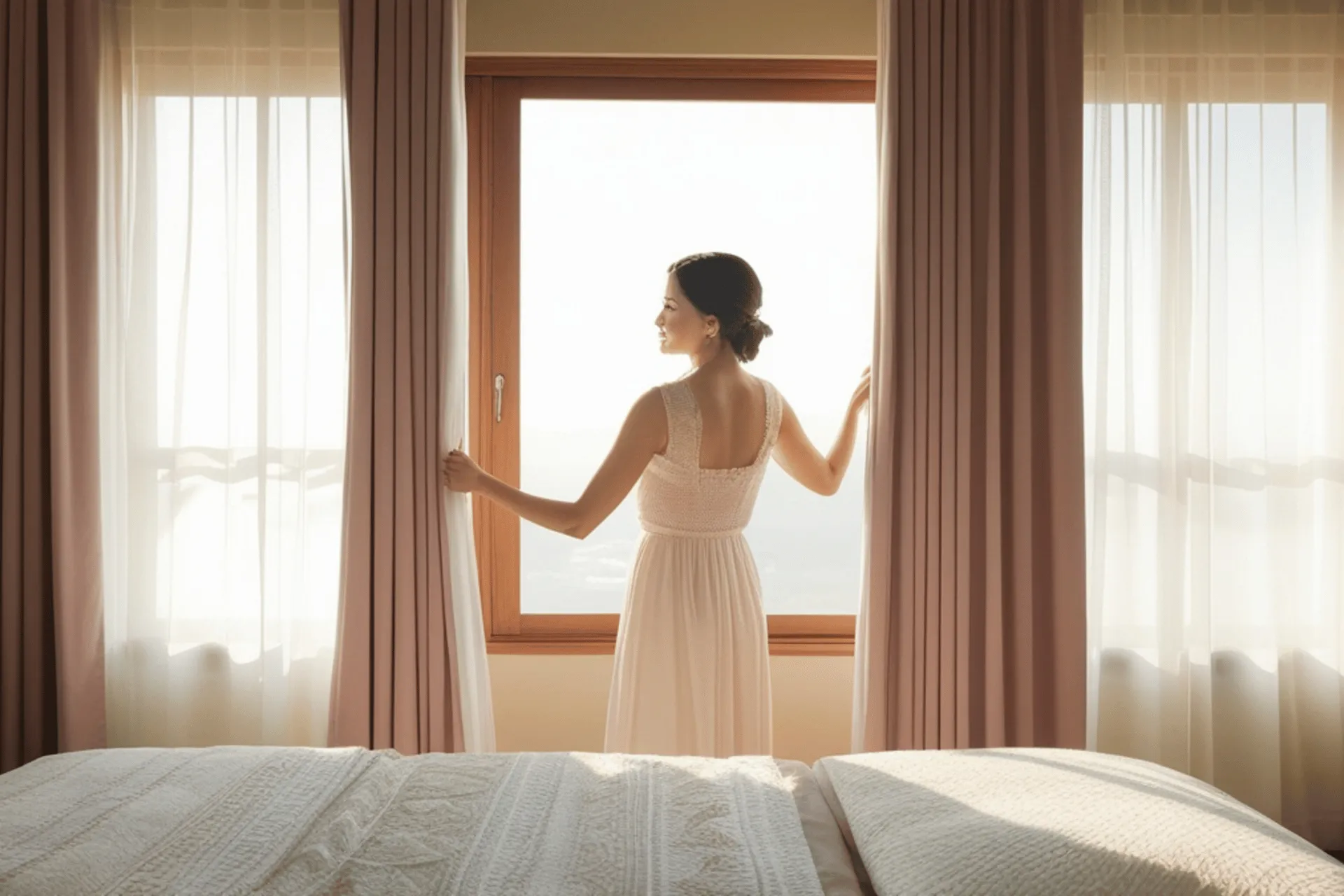
Image source: Canva
Give Your Windows a Good Clean
Dust, pollen, and hard water spots build up on glass over time and quietly dim the light coming in. A thorough clean inside and out is the cheapest brightness boost on this list. Don’t skip the screens, since a dusty screen filters out more light than you’d think, and in winter you can take them off entirely to let more sun through.
If cleaning can’t help anymore, it may be time to replace your windows. Watch for fog trapped between the panes (a sign the seal has failed), warped frames, or water damage.
Trim Back Trees, Shrubs, and Eaves
An overgrown tree or shrub can shade your windows all day. Cutting back branches, or swapping tall shrubs for lower-growing perennials, can bring back light you thought was gone for good.
Look up, too. Deep roof overhangs block daylight as well as weather, and painting the underside of your eaves white helps bounce more sunlight toward your windows.
Clear the Clutter
Bulky furniture and overstuffed shelves near a window block light and cast shadows. Keep the space in front of your windows clear and choose lower-profile pieces where you can.
If your place still looks dim after all that, it may be time to look at the windows themselves, starting with which way they face.
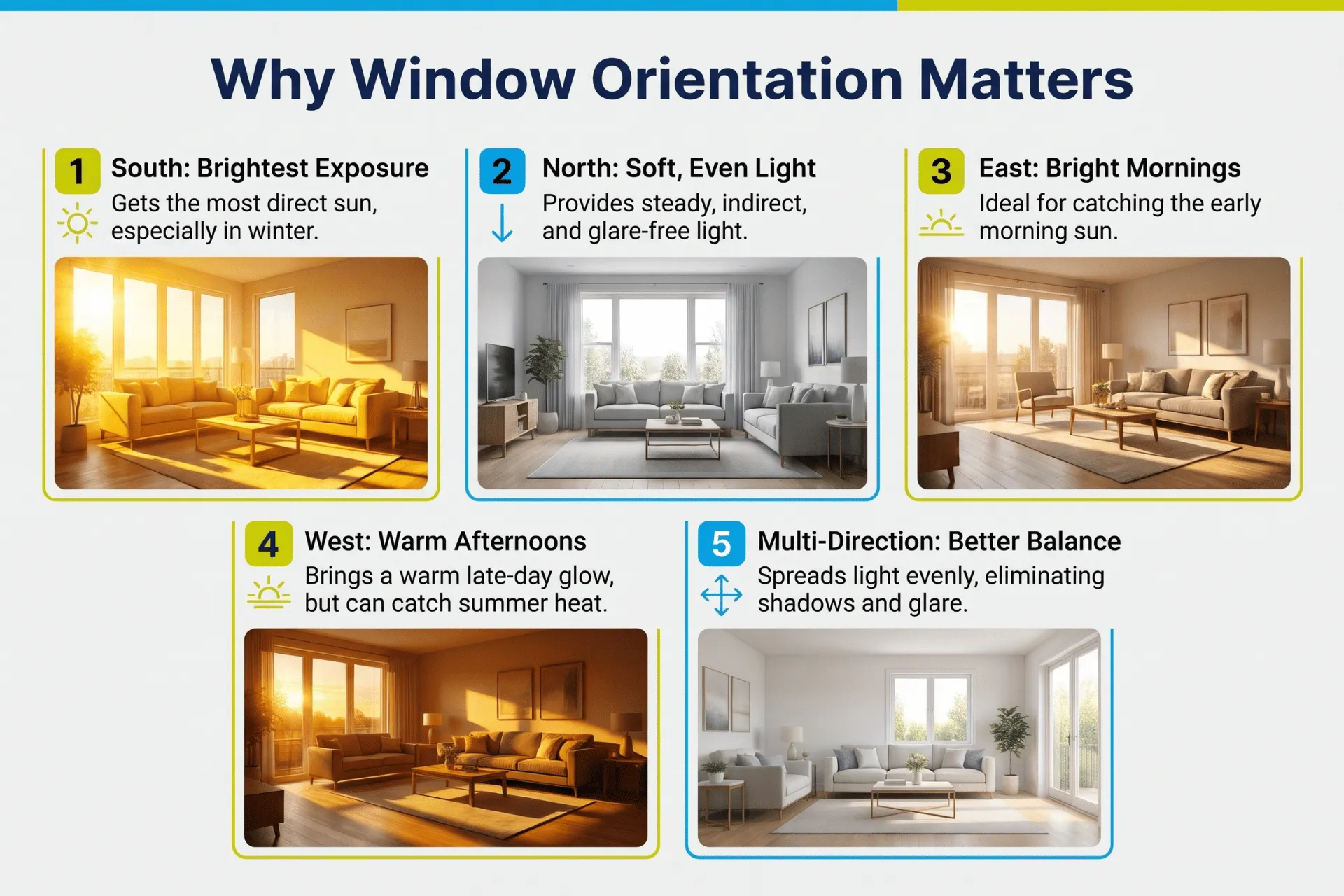
Image source: Gemini 2026
Why Window Orientation Matters for Natural Light
Window orientation decides what kind of light a room gets. In Canada, south-facing windows bring in the most sun, north-facing windows provide soft, even light, and east- and west-facing windows catch the morning and evening sun.
South-Facing Windows: The Brightest Exposure
In Canada, the sun travels across the southern sky, so south-facing windows get the most direct light. In winter, when the sun sits lower, that light reaches even deeper into the room.
These walls are the best spot for large windows with minimal framing to maximize natural light. Not sure which way a room faces? Your phone’s compass app will tell you.
North-Facing Windows: Soft, Even Light
North-facing rooms rarely get direct sun, but their light is steady and nearly glare-free, which makes them great home offices. The trade-off is a cooler, dimmer feel in winter, so lean on lighter paint and mirrors here.
East-Facing Windows: Bright Mornings
East-facing windows catch the morning sun, making them ideal for bedrooms and kitchens where your mornings usually start.
West-Facing Windows: Warm Afternoons and Evenings
West-facing windows bring a warm late-day glow to living and dining rooms, but also summer glare and heat. Adjustable blinds help, as does glass with a Low-E coating, a thin, invisible layer that reflects heat while letting light through.
Let Light In From More Than One Direction
Light from a single wall often leaves glare near the window and shadows at the back. A window or glass door on a second wall spreads light more evenly, so the whole room feels brighter.
Best Windows and Doors for More Natural Light in Your Home
The best windows and doors for more natural light are those with the most glass and the least frame: picture windows, bay and bow windows, end-vent sliders, and glass patio doors. Skylights and glass block fill the gaps.
Wondering how to increase natural light in a house for good? If the easy fixes haven’t done enough, start with these upgrades.
Windows That Let in the Most Light
Doors That Share More Light
Skylights, Sun Tubes, and Glass Block
For rooms with limited wall space, such as an interior bathroom, a walk-in closet, or a room under a low roofline, light from above can be the answer.
A skylight brings daylight in through the roof, while a sun tube (also called a tubular skylight) channels sunlight through a reflective tube to a diffuser in your ceiling. Sun tubes bring in less light than a full skylight, but they’re smaller and much simpler to install. Either way, since both involve cutting into your roof, they’re a job for a qualified roofing contractor.
Where a full window isn’t practical, glass block lets light through while blurring the view, which is why it’s a popular choice for bathrooms and basements.
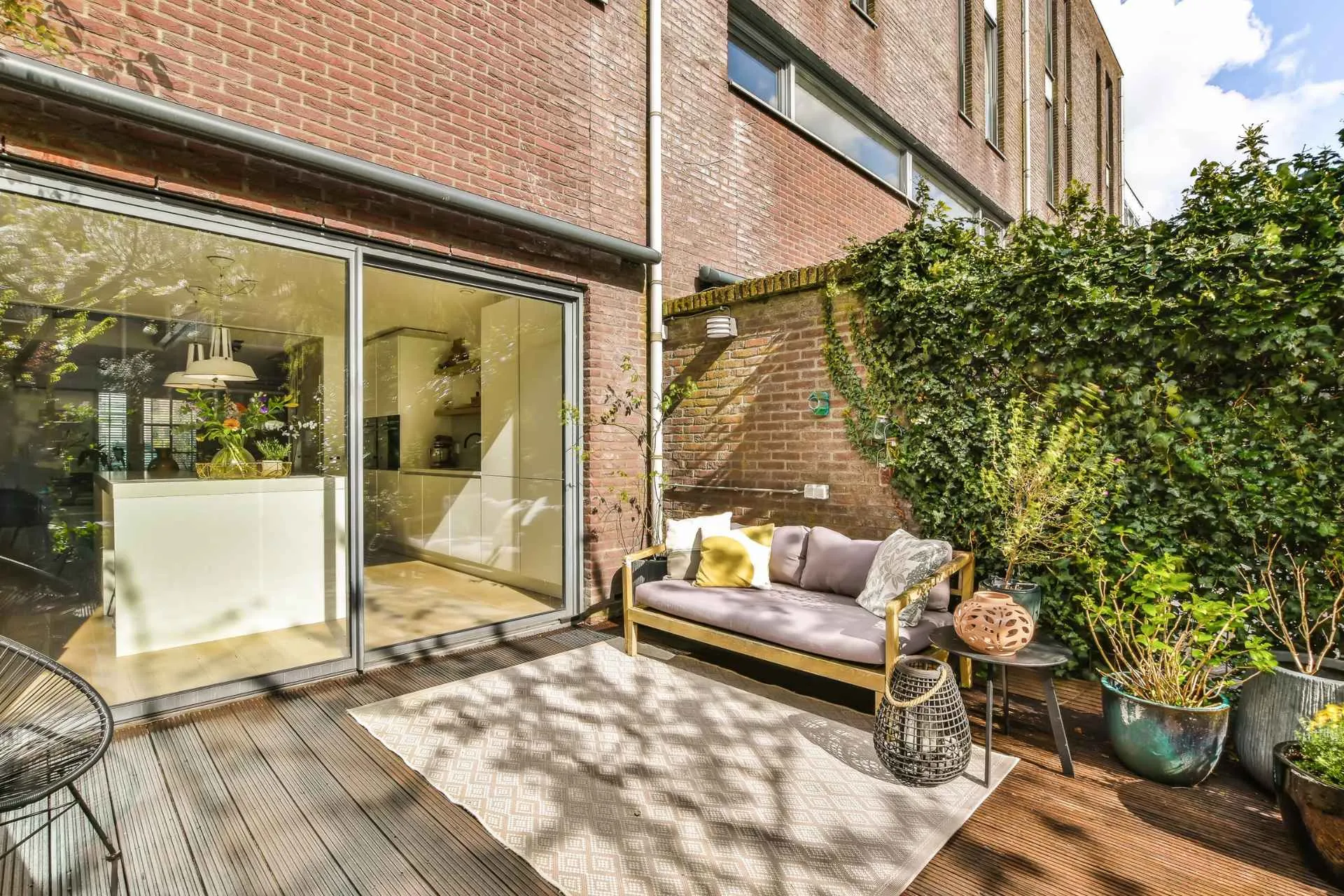
Image Source: Canva
How to Brighten a Room With Little Natural Light
To brighten a room with little natural light, match the fix to the room. Kitchens benefit from reflective surfaces, bedrooms from lighter window treatments, and darker spaces like hallways and bathrooms from light borrowed through glass doors, mirrors, or skylights.
Kitchen and Dining Room
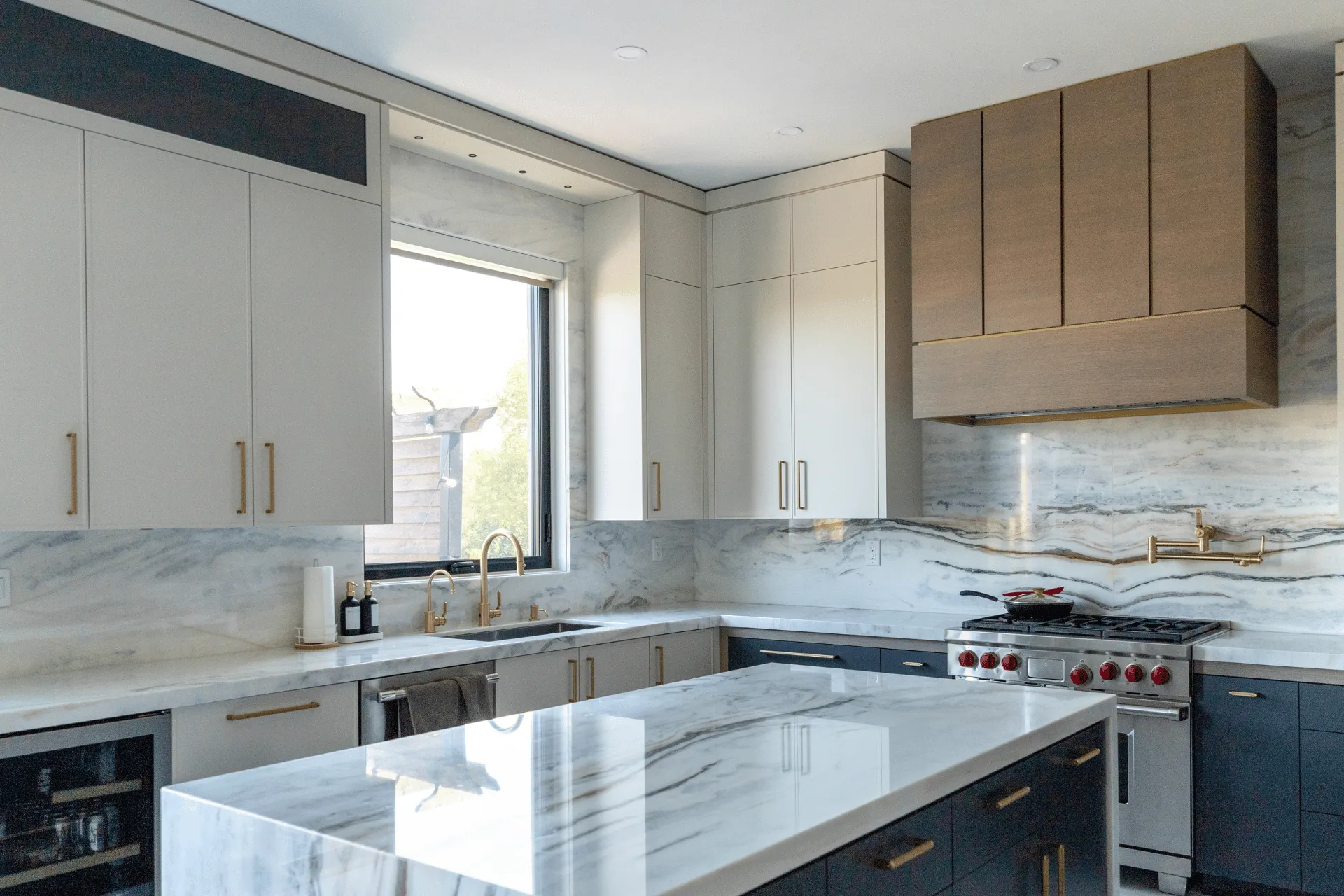
Light cabinets, a glossy backsplash, and pale countertops bounce daylight around the room. Keep the sill over the sink clear, and consider an awning window there so you can let in fresh air while you cook.
Living and Family Room
This is where a bigger window pays off most. A picture or bay window on a south- or west-facing wall can transform a dim family room, as long as nothing tall blocks the glass. After sunset, a few table lights with warm light bulbs keep the room feeling cozy.
Bedroom
Layer sheers in front of blackout curtains so you get daylight during the day and darkness at night. Keeping bulky dressers and shelves away from the window helps the room feel brighter and more open, too.
Bathroom
Frosted glass, or an awning window set high on the wall, gives you light and privacy at the same time. In an interior bathroom with no outside wall, a sun tube is often the simplest fix.
Home Office
Set your desk so the window is beside you, not in front of or behind you, to avoid glare on your screen and shadows on your work. North-facing rooms make great offices thanks to their soft, steady light.
Hallways and Stairwells
Hallways borrow light from other rooms, so a glass front door, sidelights, or a mirror at the end of the hall can go a long way. A window on a stair landing brightens the whole staircase. For more ideas, see the best windows to brighten hallways.
Basement
Larger windows, light-coloured walls, and glass block where privacy matters all help. If you’re adding a basement bedroom, check your local building code for requirements on egress windows, which must be large enough to serve as an emergency exit. Our guide to bringing natural light into your basement covers more.
Frequently Asked Questions
Key Takeaways
- Start with the easy fixes. Mirrors, lighter paint, sheer curtains, clean windows, and trimmed greenery can brighten a room in an afternoon.
- Light colours reflect, dark colours absorb. The higher a paint’s LRV, the more light it bounces back.
- Orientation shapes your light. South-facing rooms are brightest, north-facing rooms softest, east catches mornings, and west catches evenings.
- More glass, less frame. Picture windows, bay and bow windows, end vent sliders, and glass patio doors let in the most light.
- Every room needs its own approach. What brightens a kitchen won’t necessarily work in a bedroom, bathroom, or basement.
Let the Light In With Clera Windows + Doors
Start with the easy fixes, like a lighter coat of paint or a well-placed mirror. If a room still feels dim after that, your windows may be what’s holding you back.
At Clera Windows + Doors, we design, we manufacture, we install, you save. That means ENERGY STAR certified windows and doors at factory-direct prices, installed by local pros who are easy to reach and backed by a lifetime warranty. Our family treats yours like one of our own.
Browse our gallery for inspiration or compare styles in our buyer’s guide. When you’re ready, book a free in-home consultation, and we’ll help you work out how to increase natural light in a house like yours, room by room.

Adam Kwasnicki
With over 16 years at Clera Windows and Doors, Adam brings a wealth of experience in home improvement, sales, and project management. Prior to becoming VP, he personally sold and managed more than $20 million in window and door replacement projects, building on a career that also spans residential and commercial painting, home renovations, real estate, and solar energy. Known for his consultative, no-pressure approach, Adam helps homeowners navigate product options, government incentives, and competitive quotes to find the best balance of design, performance, and budget. At Clera, he also mentors sales consultants, supports marketing initiatives, and assists with customer care and escalations. Outside of work, he has shared his passion for meditation as a teacher in recreation centres and gyms, and continues to volunteer his time to support others in personal growth.


